Luma apiculata
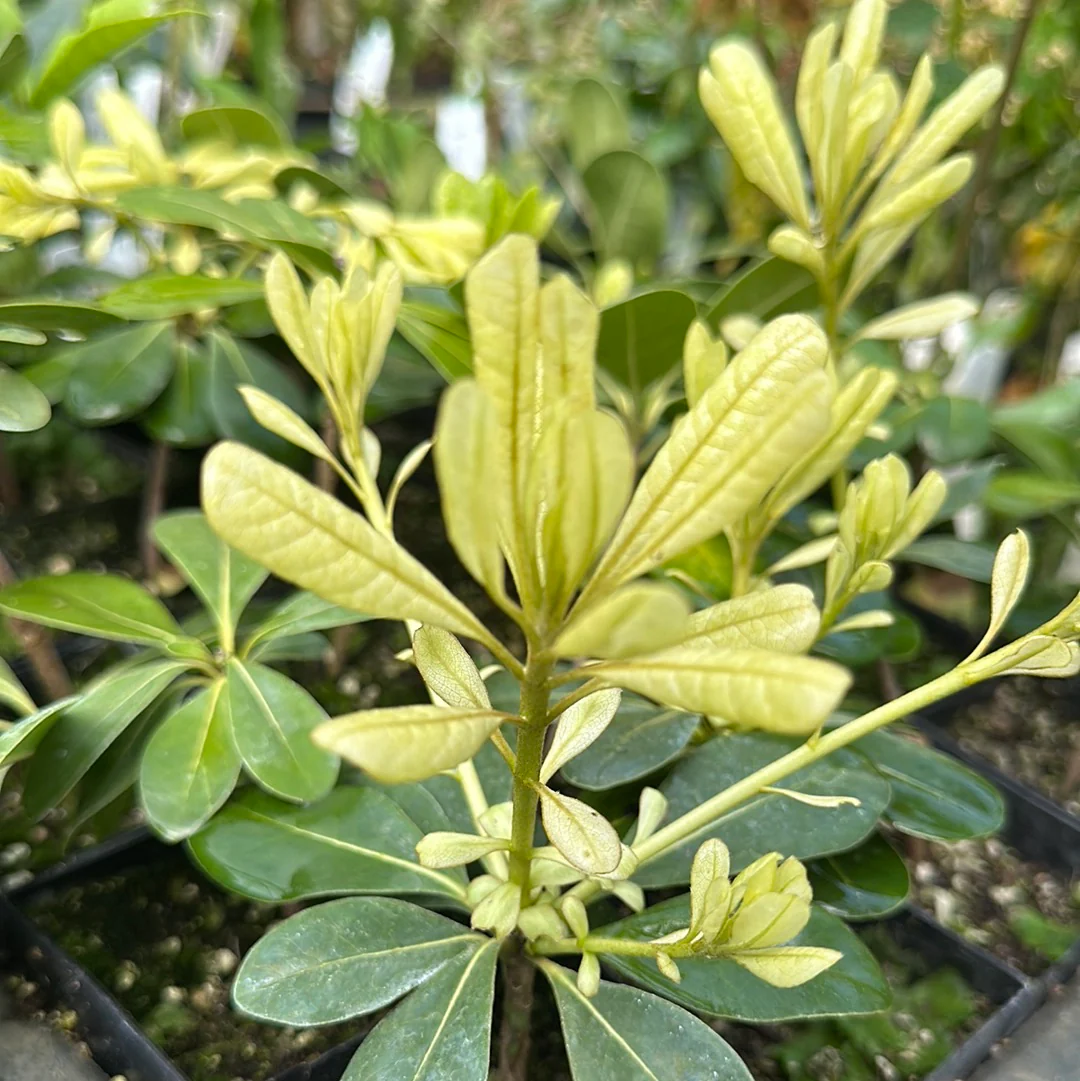
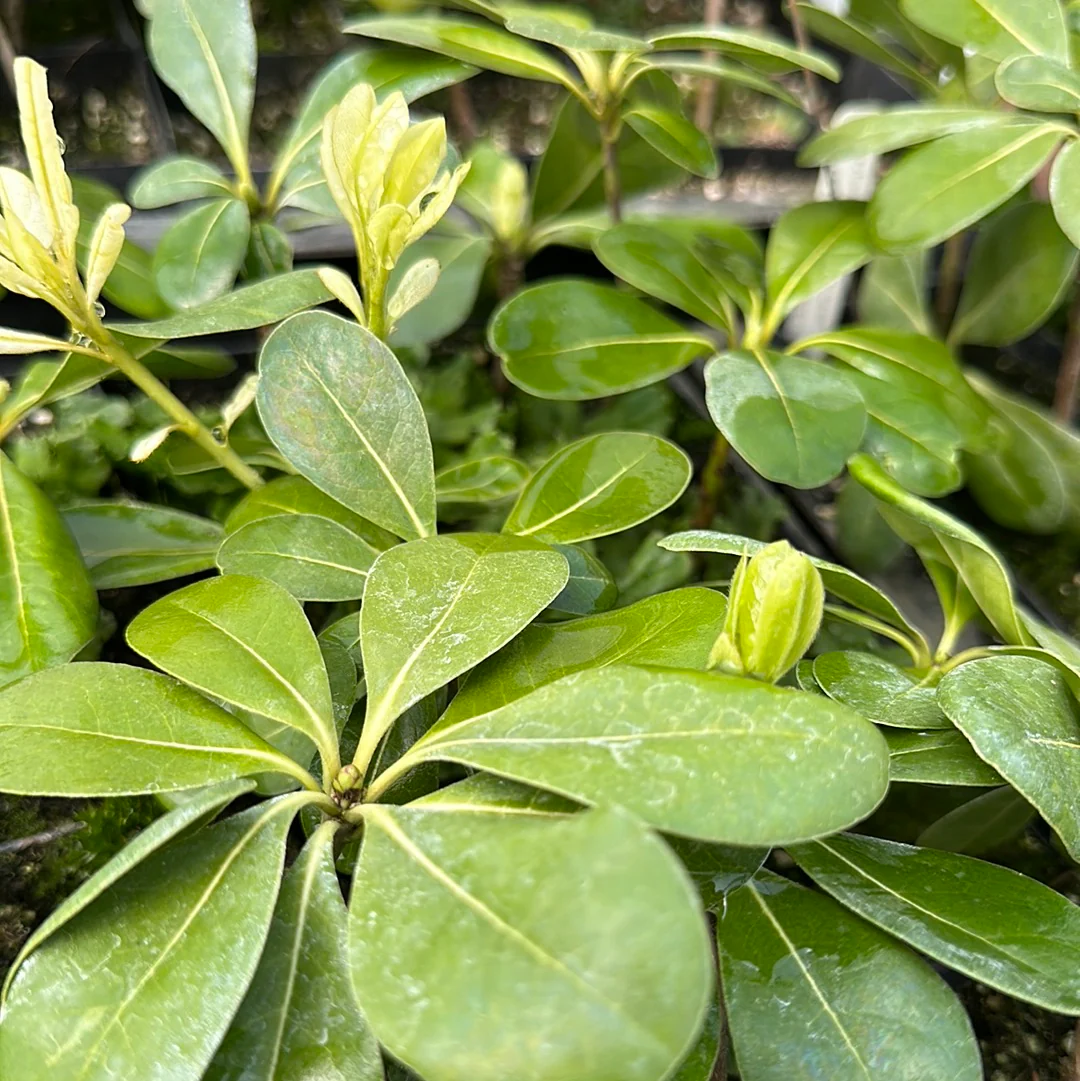
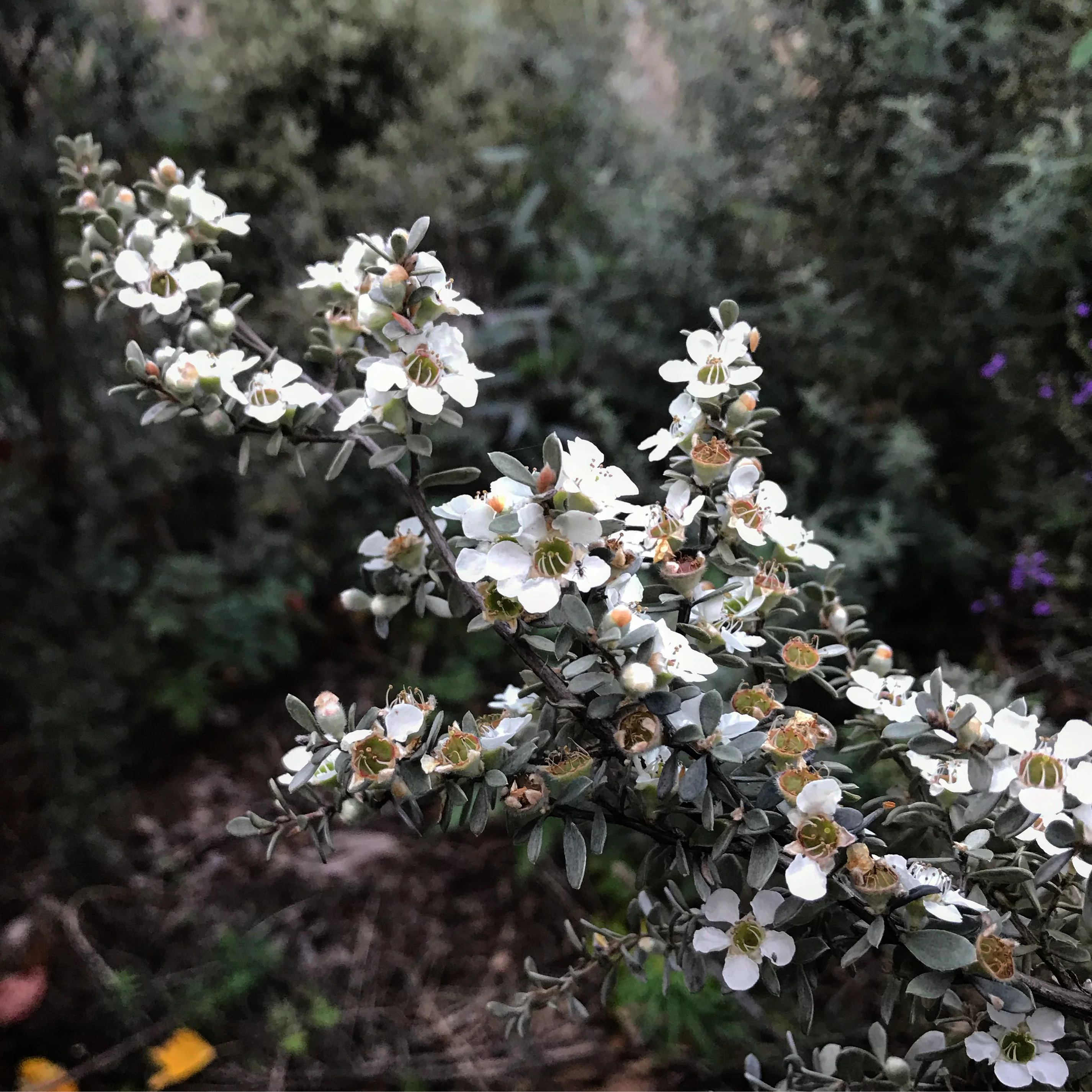
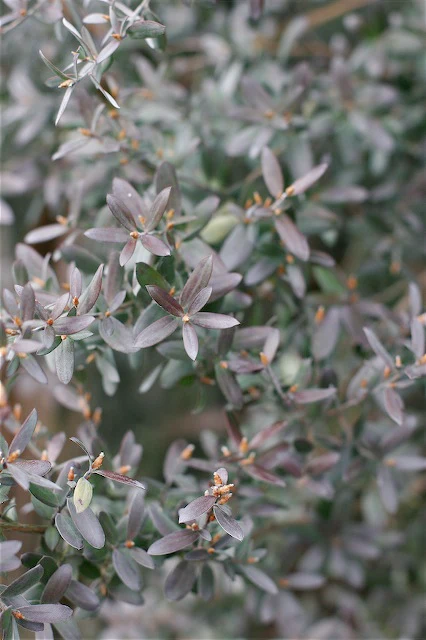
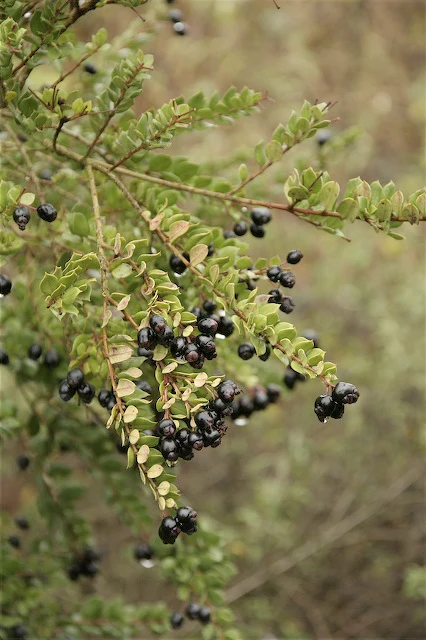
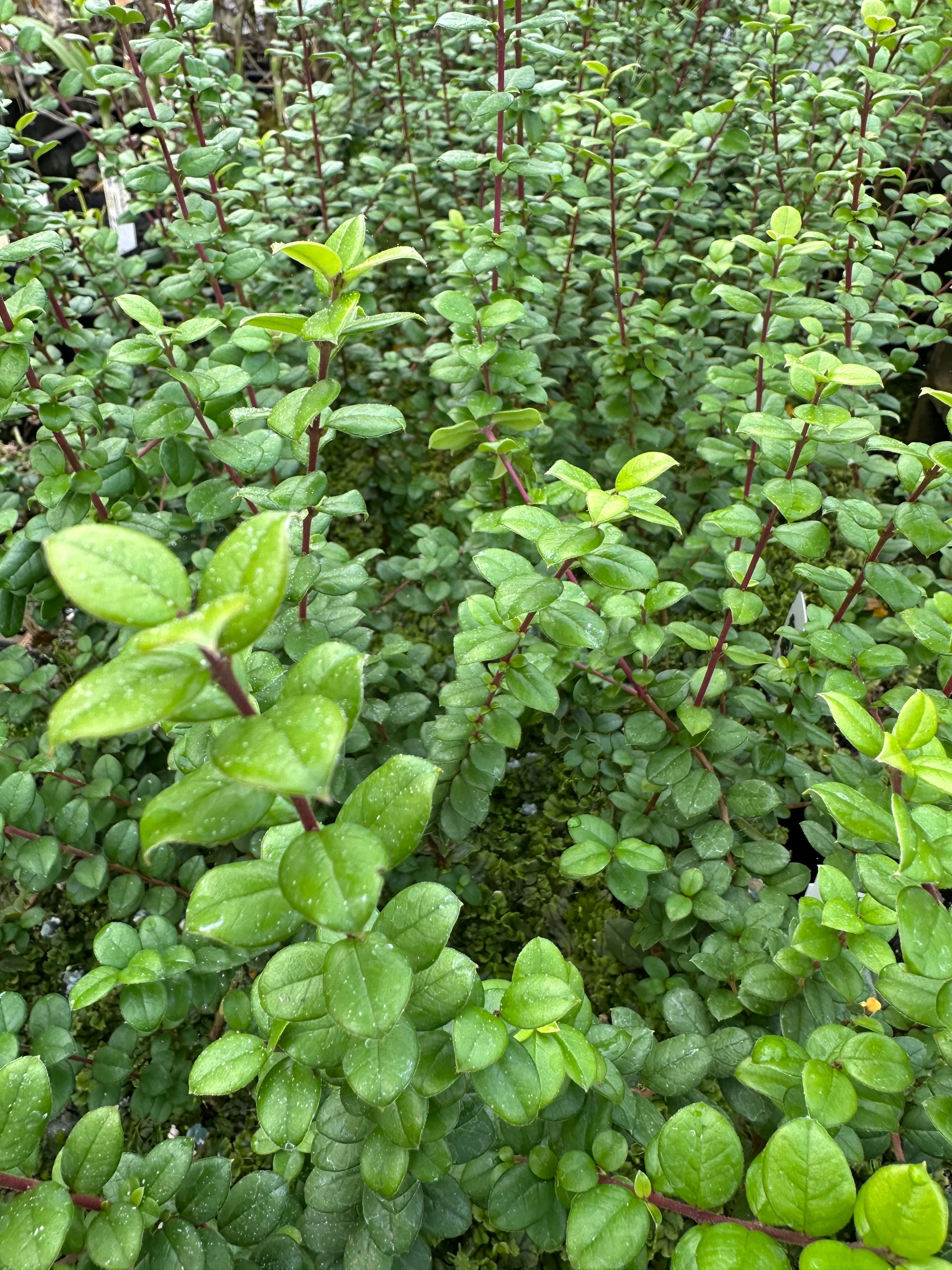
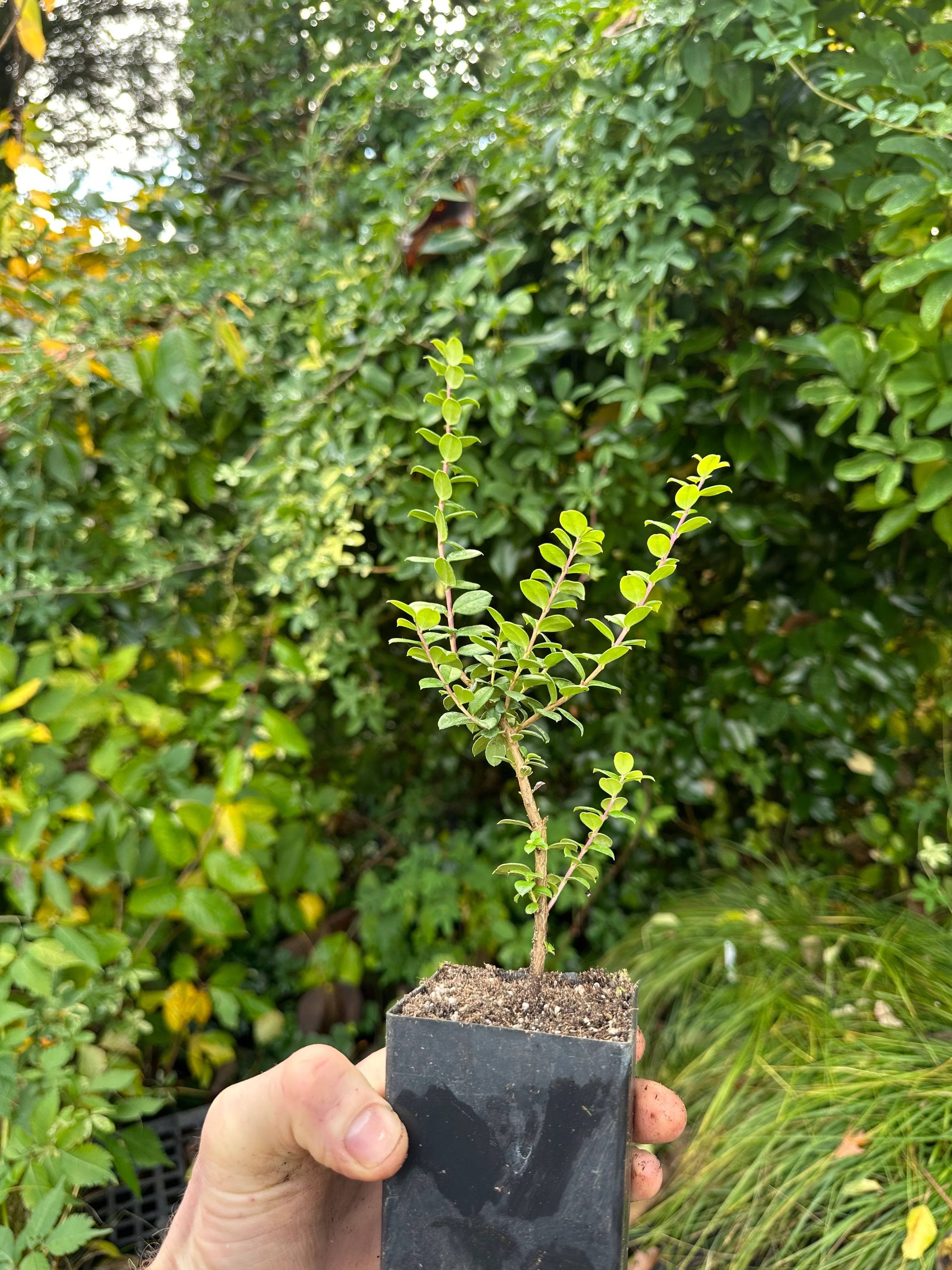
From a delightful South American genus of myrtaceous shrubs and small trees, this one reaching 8-12 ft with shiny round leaves, honey scented white flowers and reddish to purplish to black fruit often used in preserves and eating out of hand. One of the most striking features is the white, cream, and pink patterns that develops on the trunks as plants age. Often found growing nearly in small creeks but able as well to withstand drought. This form was collected in southern Chile and should be among the hardier of the group withstanding low teens F, mid USDA zone 8, with no damage. Where temperatures are likely to fall lower, place out of wind or possibly consider moving to a better climate.
CHILEAN MYRTLE
Myrtacea
Product Information
Product Information
Shipping & Returns
Shipping & Returns

Luma apiculata
Luma apiculata
From a delightful South American genus of myrtaceous shrubs and small trees, this one reaching 8-12 ft with shiny round leaves, honey scented white flowers and reddish to purplish to black fruit often used in preserves and eating out of hand. One of the most striking features is the white, cream, and pink patterns that develops on the trunks as plants age. Often found growing nearly in small creeks but able as well to withstand drought. This form was collected in southern Chile and should be among the hardier of the group withstanding low teens F, mid USDA zone 8, with no damage. Where temperatures are likely to fall lower, place out of wind or possibly consider moving to a better climate.
CHILEAN MYRTLE
Myrtacea
Original: $16.00
-65%$16.00
$5.60Product Information
Product Information
Shipping & Returns
Shipping & Returns
Description
From a delightful South American genus of myrtaceous shrubs and small trees, this one reaching 8-12 ft with shiny round leaves, honey scented white flowers and reddish to purplish to black fruit often used in preserves and eating out of hand. One of the most striking features is the white, cream, and pink patterns that develops on the trunks as plants age. Often found growing nearly in small creeks but able as well to withstand drought. This form was collected in southern Chile and should be among the hardier of the group withstanding low teens F, mid USDA zone 8, with no damage. Where temperatures are likely to fall lower, place out of wind or possibly consider moving to a better climate.
CHILEAN MYRTLE
Myrtacea